


Sustainable heating with near-surface geothermal heat
Energy is a valuable resource. So why waste the free heat offered by the ground? With geothermal probes and energy piles or walls, we offer two different options for the sustainable use of near-surface geothermal heat.
Geothermal probes are inserted vertically into the ground via geothermal boreholes, drawing energy from the soil as underground heat exchangers. Energy piles or full energy walls offer two advantages in one: As foundation piles or excavation pit walls, they help to stabilize construction soil and are also geothermally activated. This means that like geothermal probes, they draw heat from earth layers near the surface. As an experienced full-service provider of near-surface geothermal heat solutions, we assist you on the journey toward environmentally friendly building heat.
Contact us now
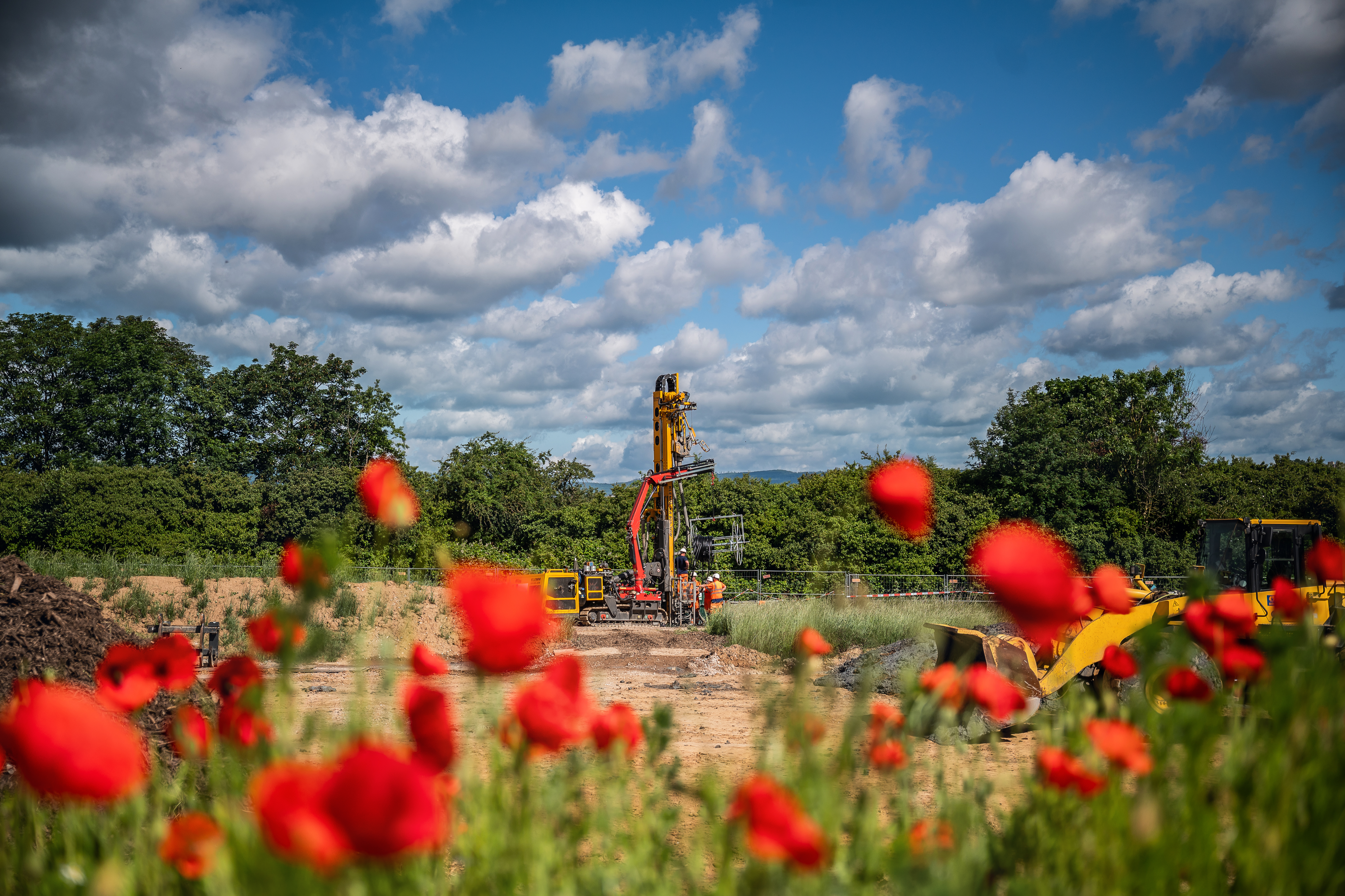

Environmentally friendly heat with geothermal probes and energy piles
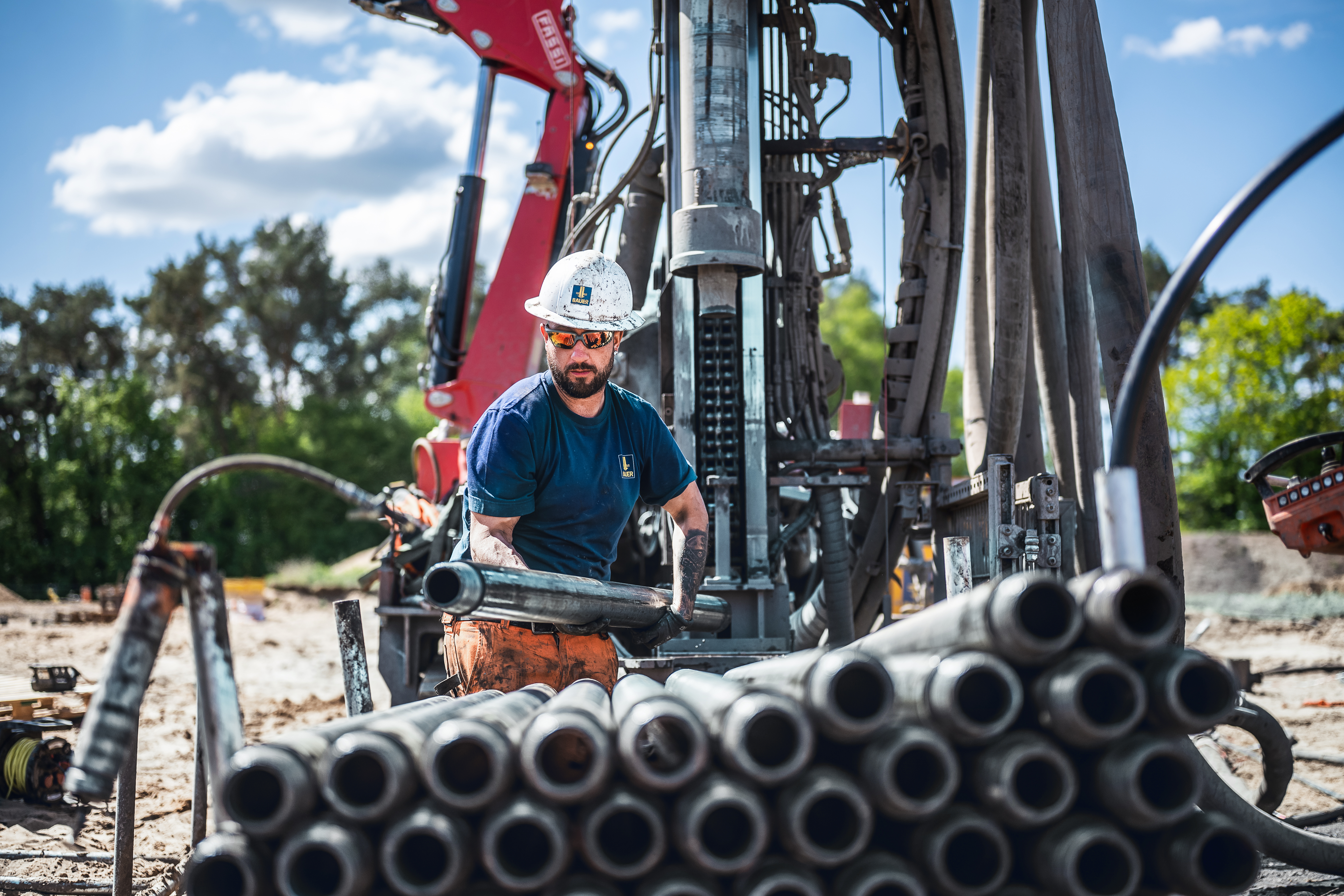

Geothermal probes: Sustainable energy from the ground
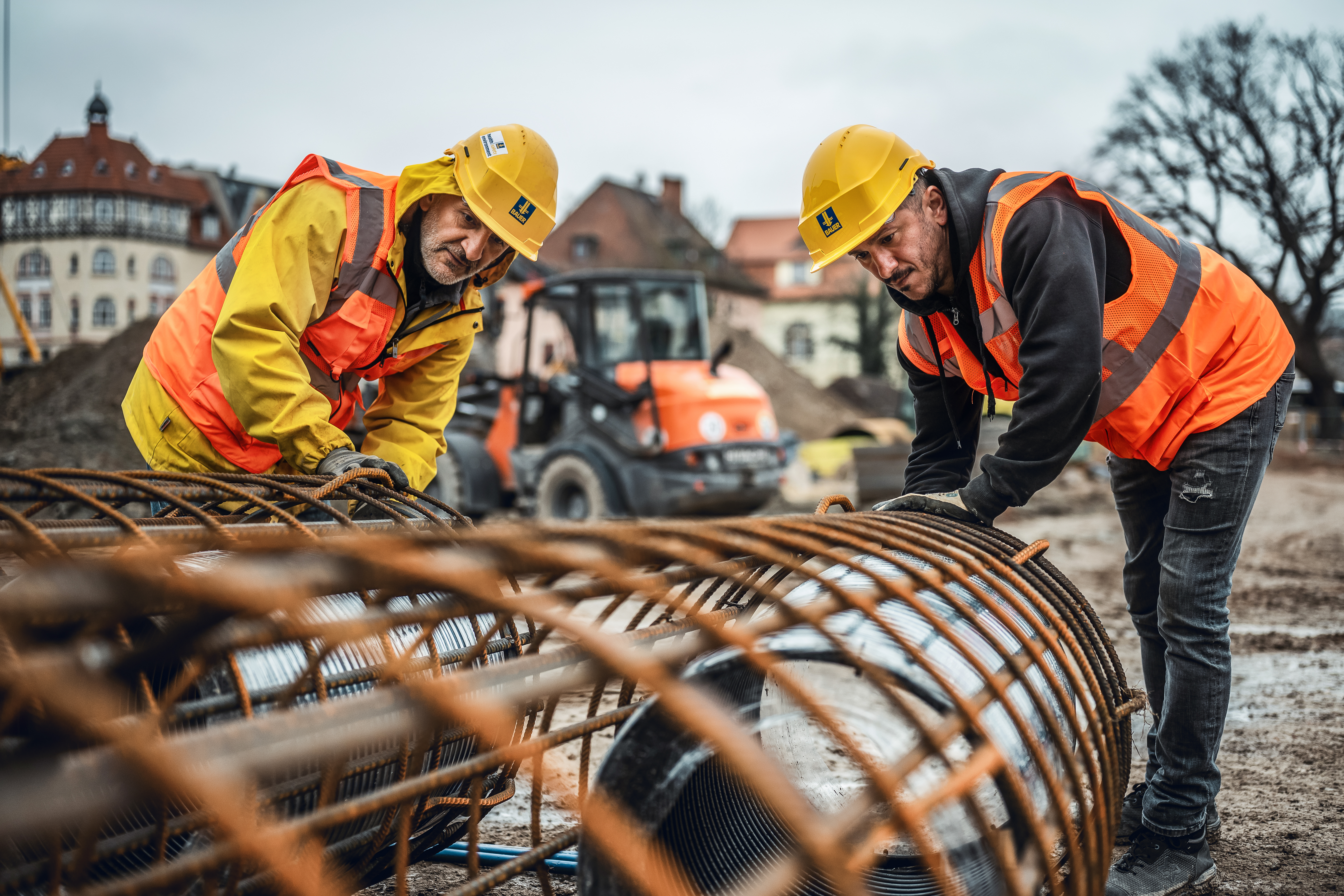

Energy piles: Securing the construction soil, generating energy
Geothermal solutions for complex projects
Whether for industrial or commercial projects, the use of excess energy requires skilled professionals. After all, every project involves individual needs and special requirements. As an experienced full-service provider, we know exactly how to recover and store unused energy in the form of heating or cooling.
And we develop special applications as customized, individual solutions: including heating pump technology and heat storage facilities.
Want references?


Extreme geothermal heat system: For Frankfurt’s climate-friendly neighborhood, Bauer Resources installed a large-scale geothermal probe system.
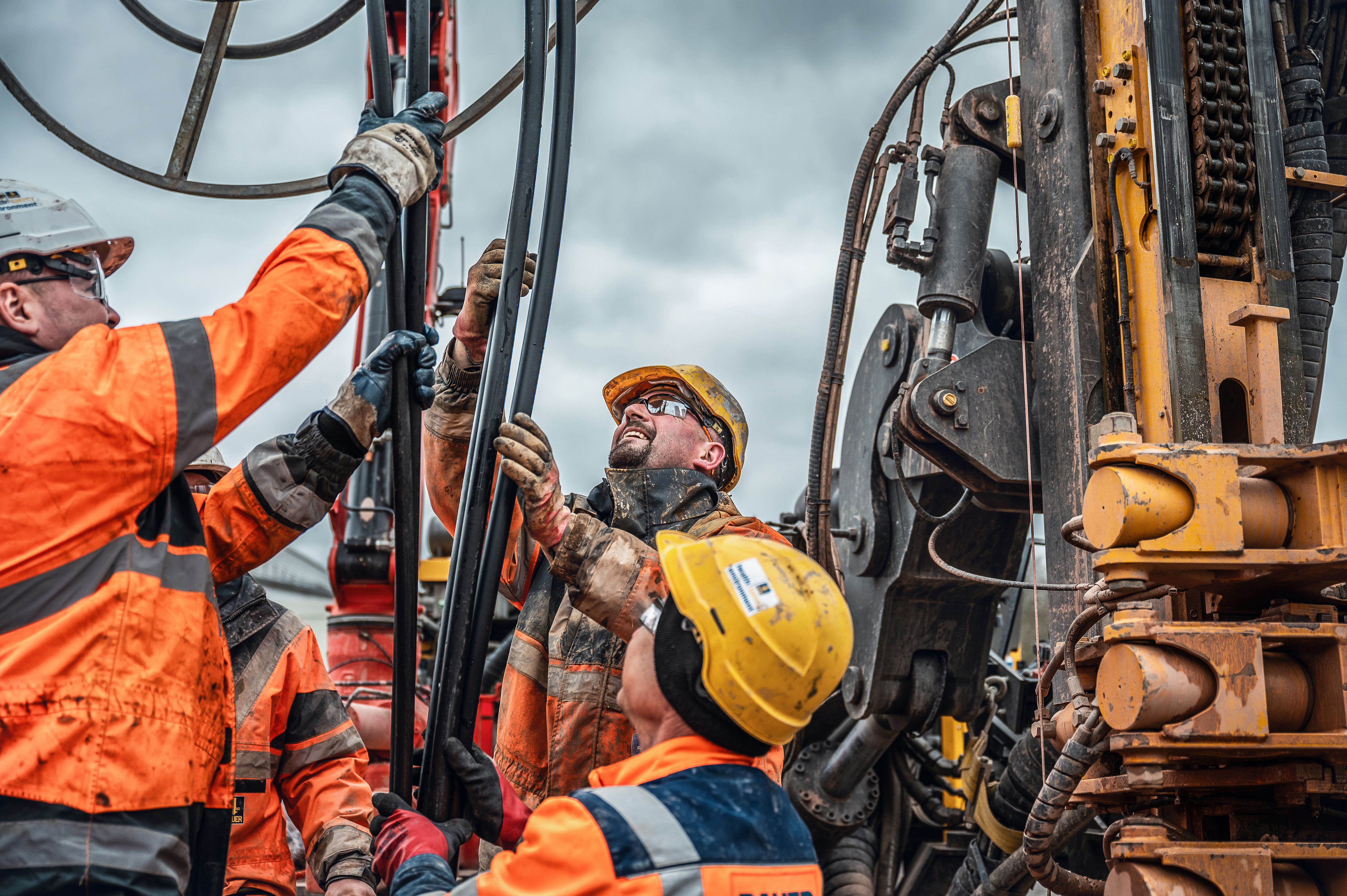

Geothermal heat in record time: For a rehabilitation clinic in Bayreuth, Bauer Resources constructed a modern geothermal system in just four months.
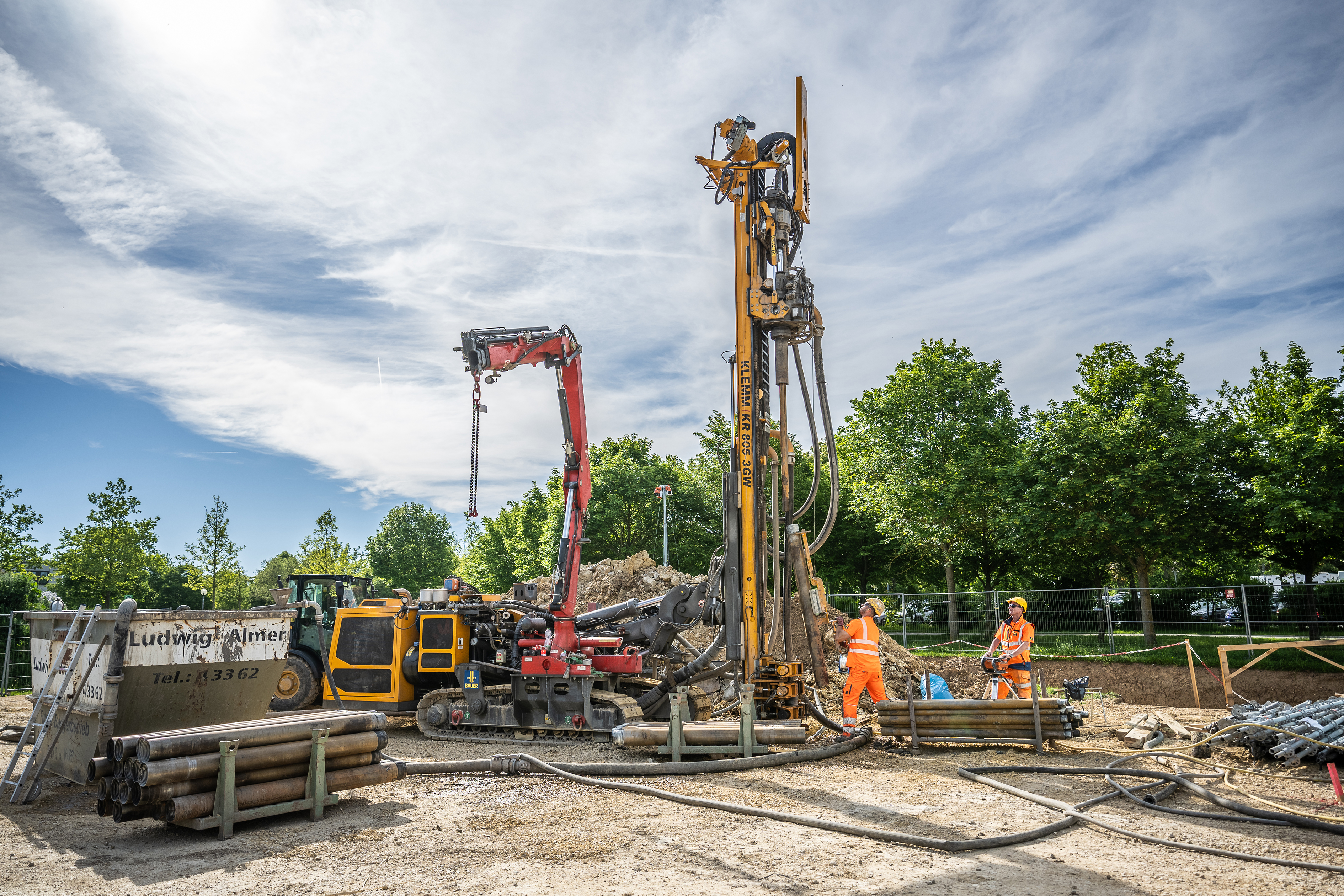

State-of-the-art geothermal probe system: On the campus of Regensburg University, Bauer Resources installed 24 geothermal probes and 1.3 km of pipeline in very tight spatial conditions.


Nachhaltige Wärmeversorgung: Bauer Resources errichtete Erdwärmesondenanlage für Schrobenhausener Neubaugebiet Kellerbergbreite.
Emissionsfrei heizen mit oberflächennaher Geothermie

Questions & Answers
Both of them are geothermal solutions that operate as underground heat exchangers to harness geothermal heat. Above and beyond this, energy piles or walls also take on the function of foundation piles or excavation pit walls.
An underground heat exchanger, such as a geothermal probe for example, consists of a pipe system within the ground. A liquid heat storage medium is pumped through the pipes. This draws heat from the ground and distributes it back to the building using a heat pump.
Yes. In the same way that heat is extracted from the ground for heating, heat can also be transferred into the ground to cool the building in hot weather.
Geothermal activation of foundation elements, including energy piles and energy walls, needs to be carried out during building construction. In contrast, geothermal probes can also be installed after construction in existing buildings.
Their depth varies. A constant temperature of 10 degrees Celsius is already available and usable from a depth of roughly 15 meters. The depth of energy piles and walls underground depends primarily on structural calculations, which our experts carry out individually for your construction project. The design of geothermal probes depends on the heat requirement, the available space and the geological conditions. The general depth for geothermal probes is between 100 and 150 meters, with depths from 100 to 400 meters subject to authorization.
If the construction project is located outside a water protection area and there are no geological or hydrogeological restrictions, geothermal probes can be installed nearly anywhere in Germany as a rule. Our experts are happy to review feasibility through a location-specific potential analysis.
Are you starting a project?
Get in touch with us.


Region North

Region Rhine-Main-Neckar, South, East

Region West
You might also be interested in ...


Our brochures offer the best in a single package: compact information and attractive content about our portfolio. Discover all the details now.

Would you like to report about us? Here you can find all press releases from us and about us at a glance. Browse through our press archive now.


Don’t miss out anymore: With our newsletter, you will learn more about people, the latest technologies and unforgettable projects.
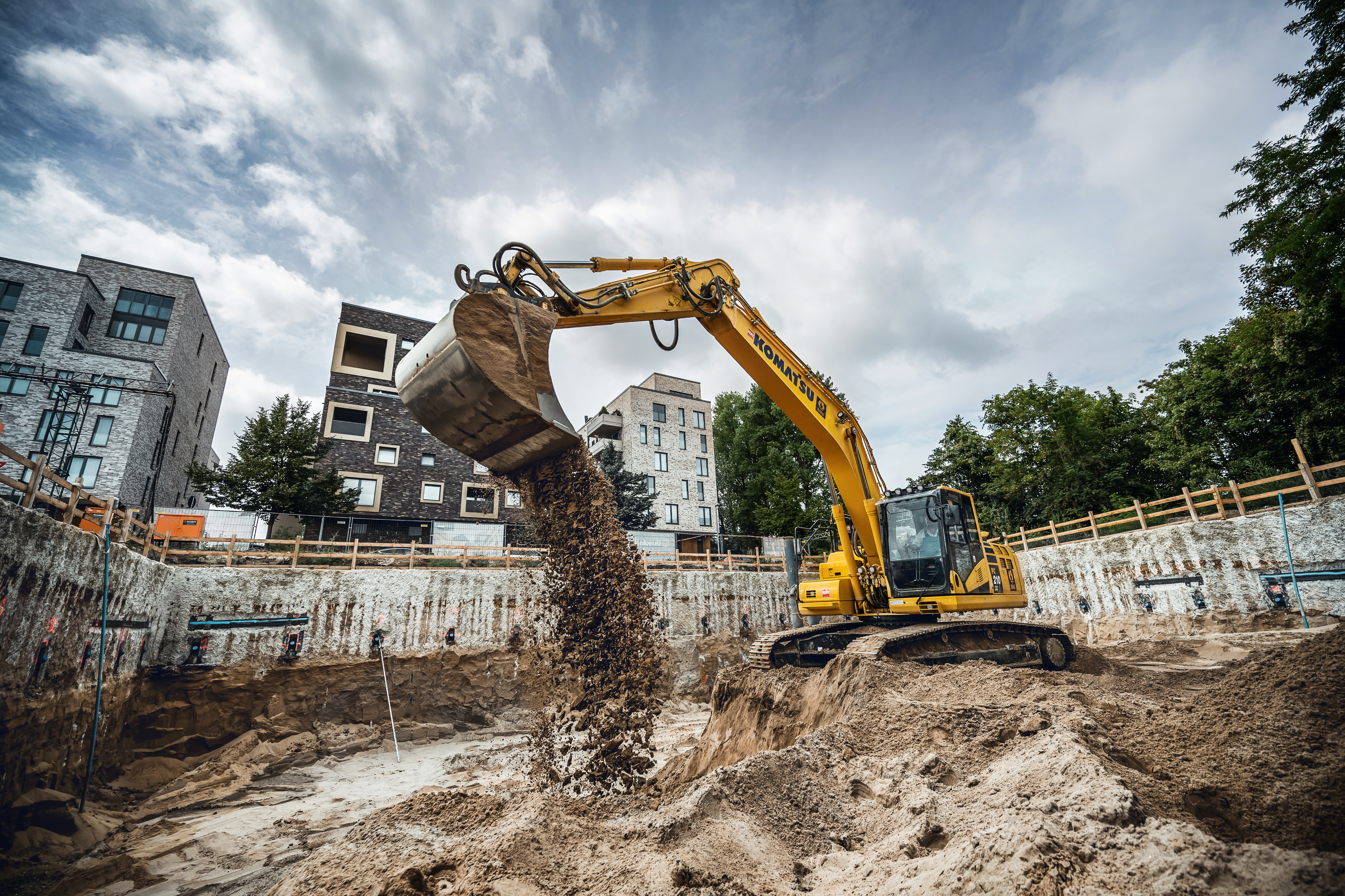

From excavation to disposal all the way to backfilling: We are your partner for turnkey excavation pits. We always keep an eye on the bigger picture. Find out more.