

Geothermal probes – Using geothermal heat intelligently
Geothermal probes work as a heat source below ground, using near-surface geothermal heat as a way of heating buildings. A constant temperature of 10 degrees Celsius is available from a depth of roughly 15 meters underground, while this value rises slightly at greater depths. Geothermal probes take advantage of this. They are made up of a pipe system through which a heat storage medium is conducted. This system draws heat from the ground and distributes it back to the building using a heat pump.
Buildings can also be cooled in summer by diverting heat energy back into the ground. Geothermal probes can be installed after construction in existing buildings, for example in the course of energy-efficient rehabilitation. As an experienced geothermal drilling company, we supervise your geothermal probe project across its entire life cycle – for sustainable heating and cooling of buildings.
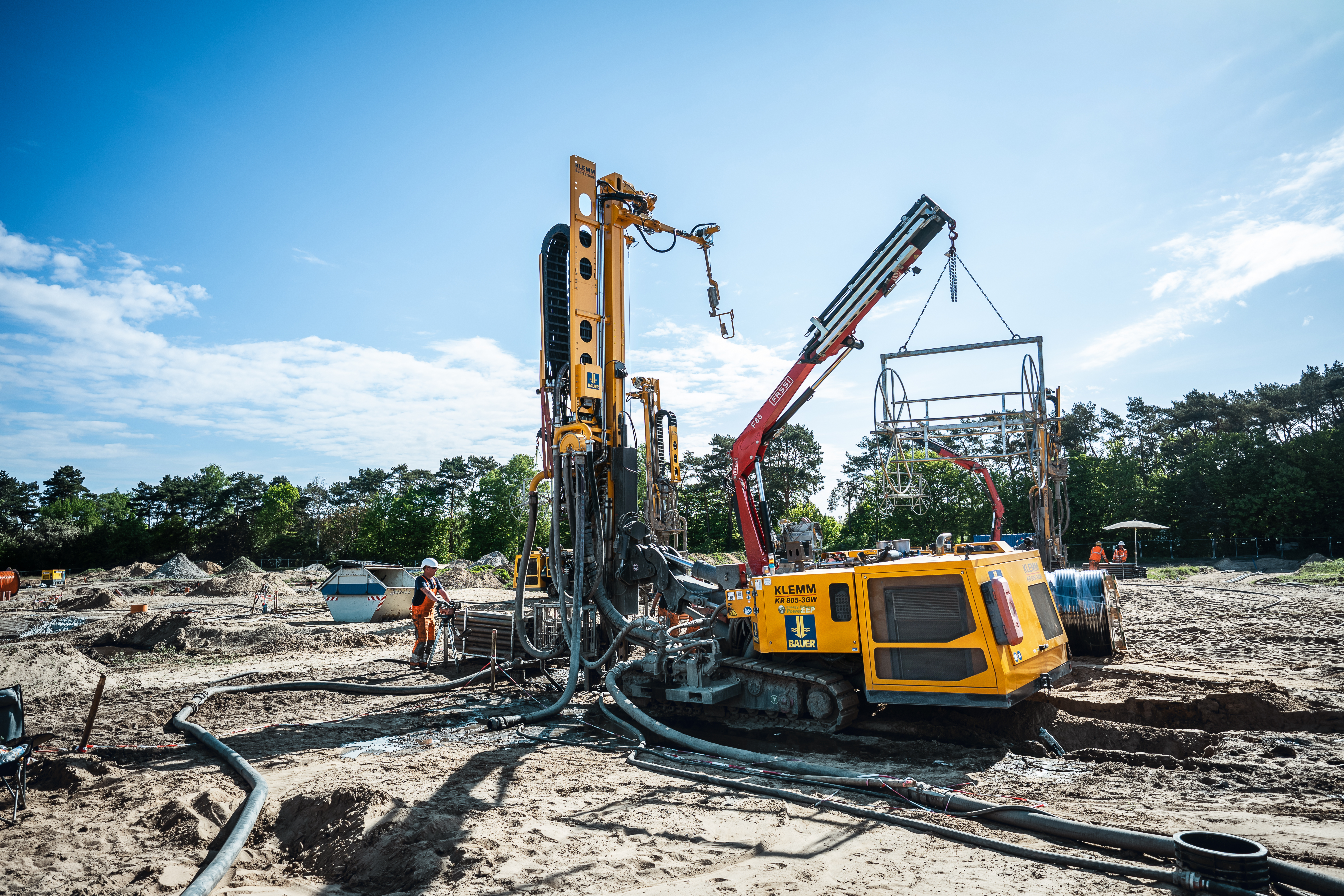

Geothermal drilling for efficient energy concepts
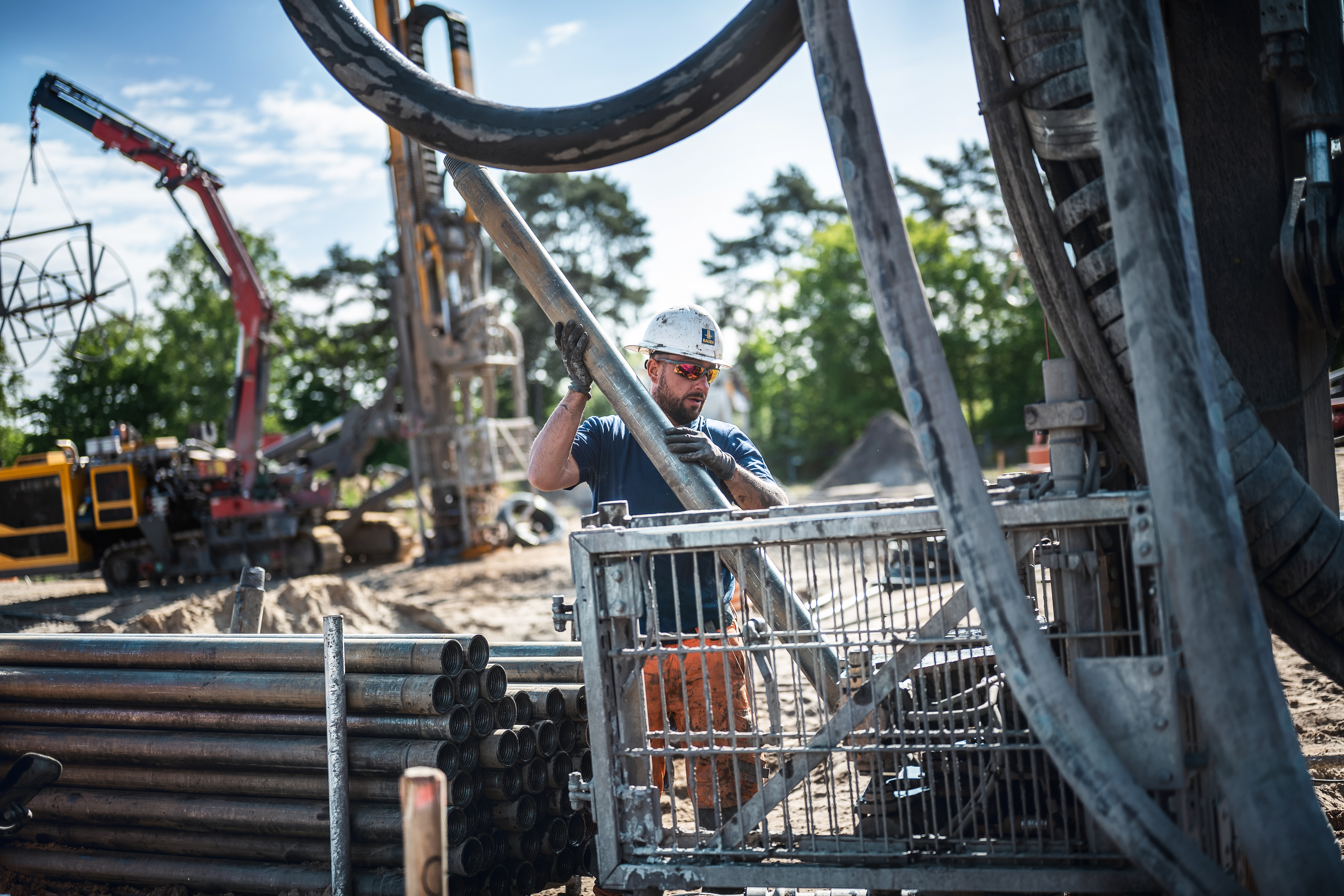

Geothermal probes: Complete solutions from a single source
Geothermal probes – All from a single source


We are your expert for large-scale projects
In order to display the video on the US platform YouTube, we need your consent to the associated data processing, as described in our data protection declaration.
Want references?
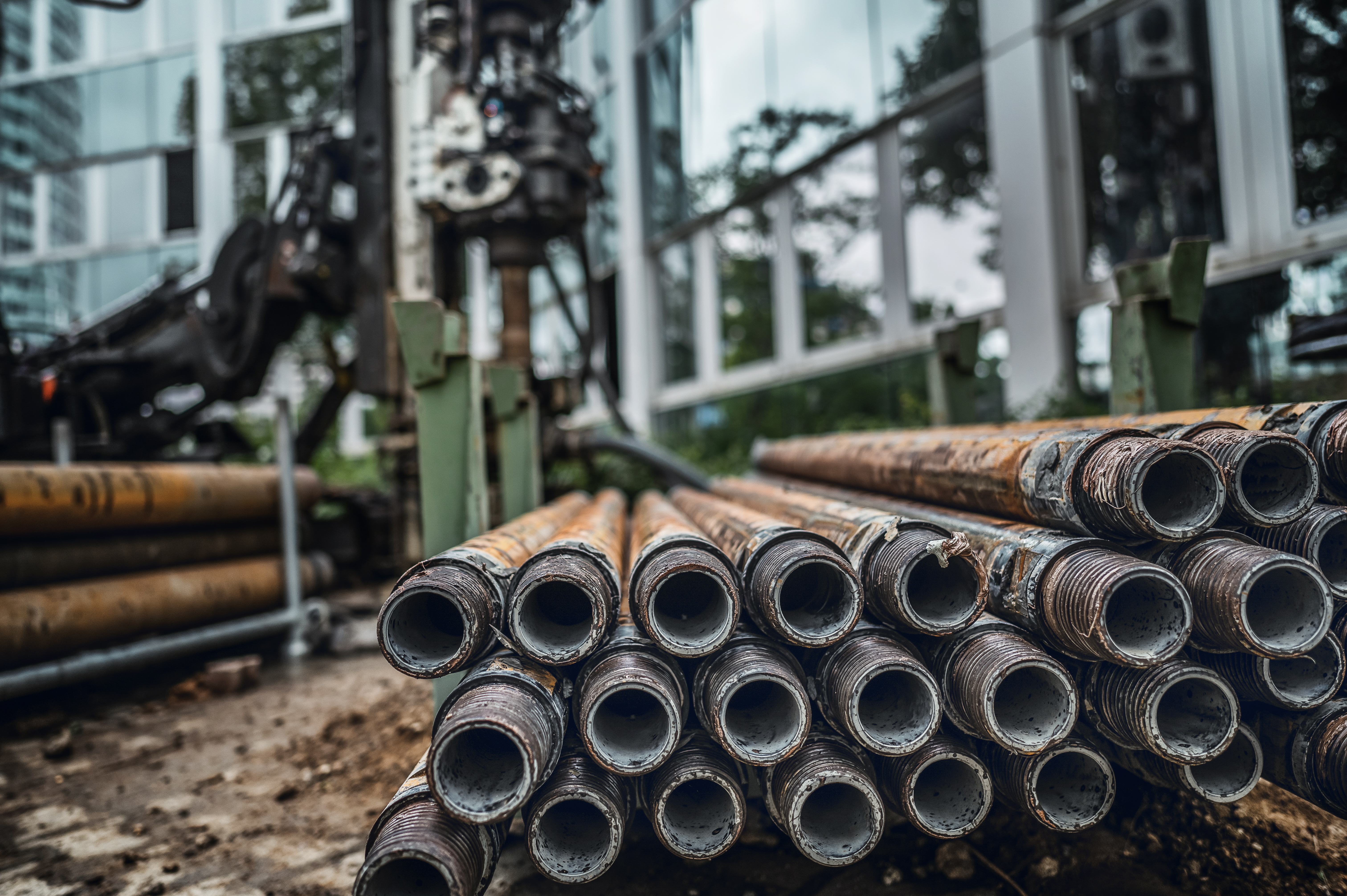

45 geothermal probes for Mergenthaler: In Eschborn, BAUER Resources installed a geothermal heat supply system with a capacity of 200 kW.
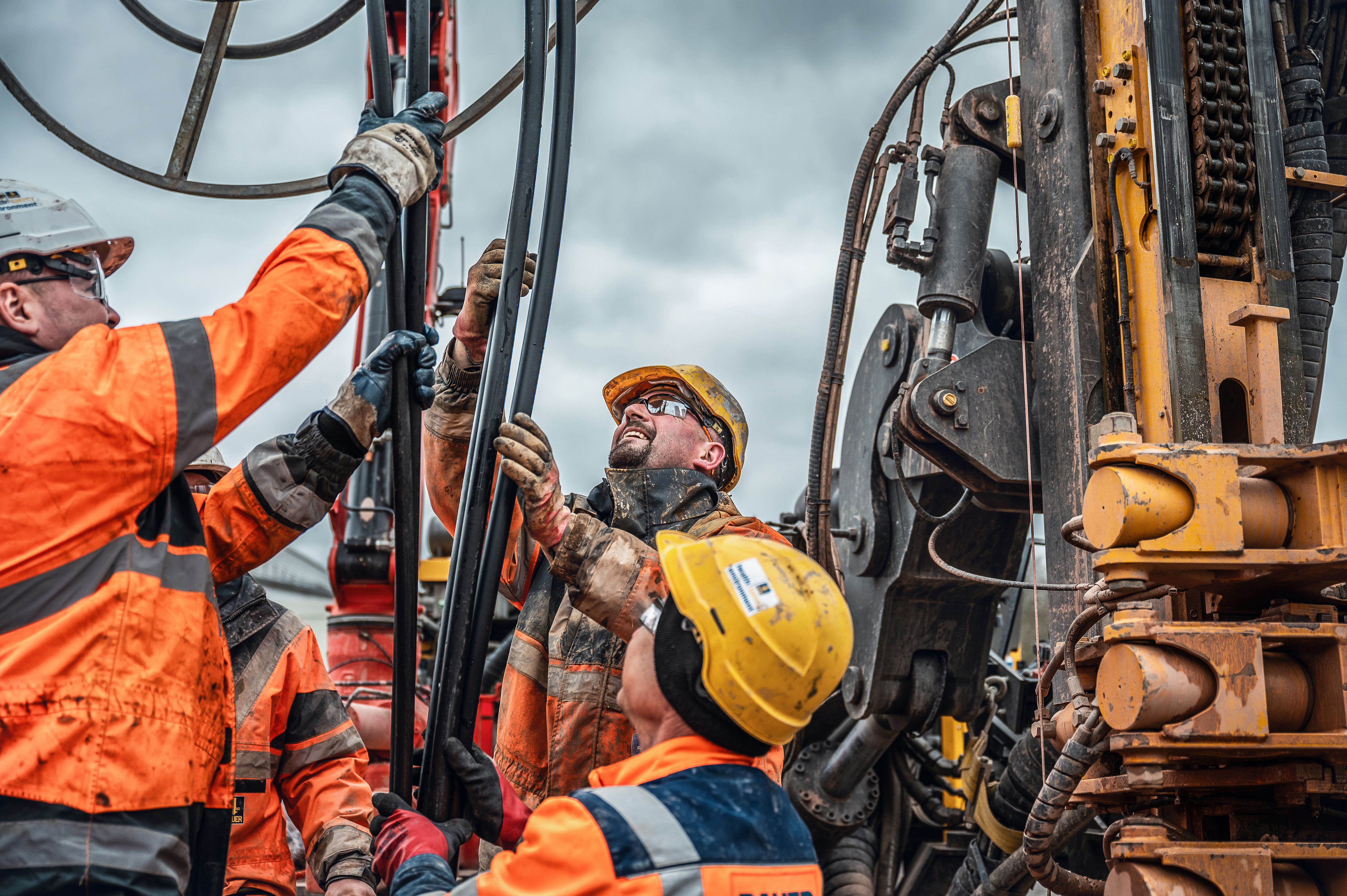

Geothermal heat in record time: For a rehabilitation clinic in Bayreuth, BAUER Resources constructed a modern geothermal system in just four months.
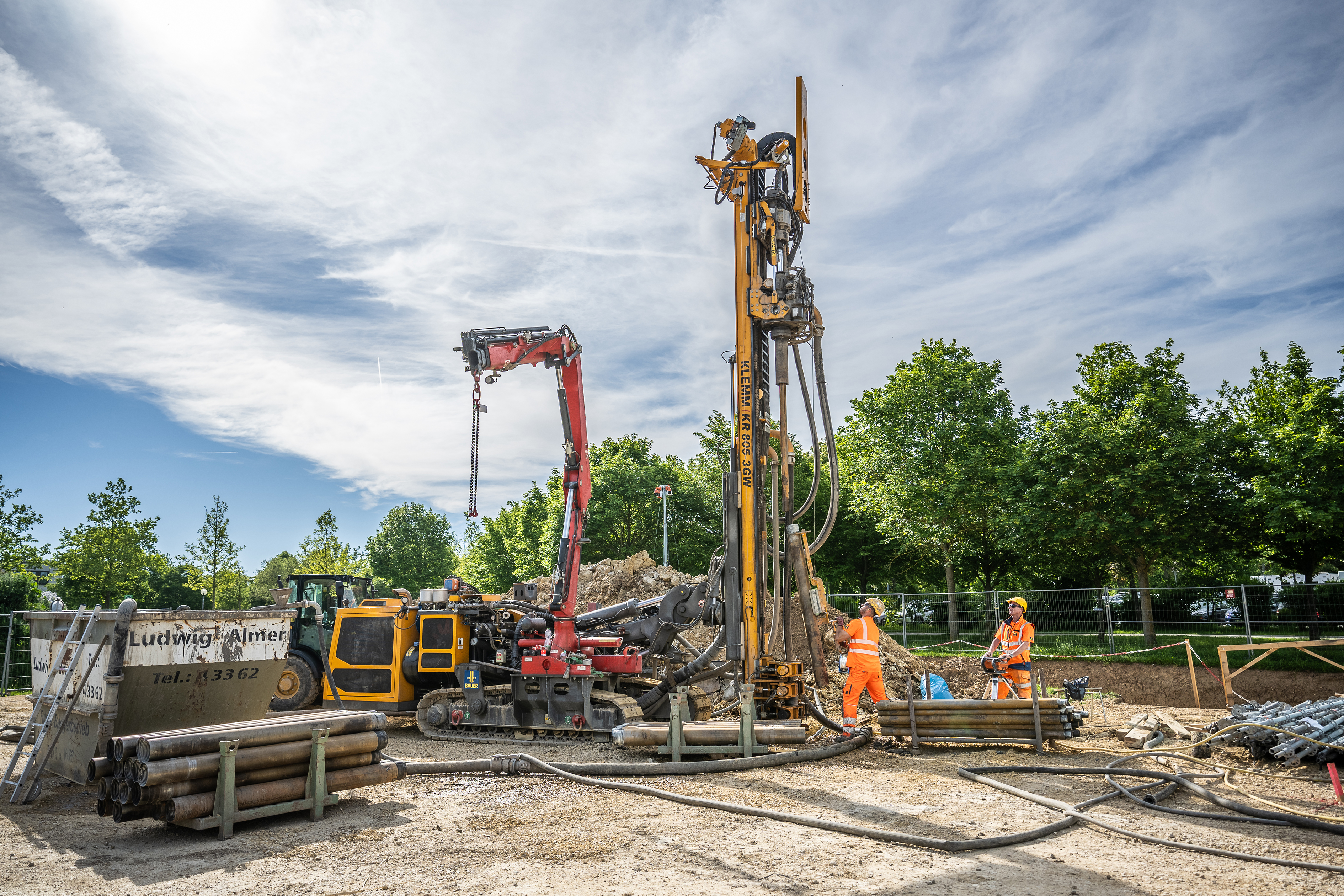

State-of-the-art geothermal probe system: On the campus of Regensburg University, BAUER Resources installed 24 geothermal probes and 1.3 km of pipeline in very tight spatial conditions.


Extreme geothermal heat system: For Frankfurt’s climate-friendly neighborhood, BAUER Resources installed a large-scale geothermal probe system.
Questions & Answers
That depends on the specific circumstances. A constant temperature of 10 degrees Celsius is already available from a depth of roughly 15 meters. Most geothermal probes use depths of up to 100 meters. With the relevant approvals, depths of up to 400 meters are possible.
A liquid heat storage medium is pumped through the pipes, this is referred to as brine. This brine is generally composed of water and an antifreeze compound.
Yes, in the same way that the brine extracts heat from the ground, it can also give off heat into the ground in summer to cool the building.
Above ground, connection lines are placed linking the geothermal probes with the building’s heating system. Depending on the size of the system, intermediate shafts or distribution boxes are installed to bring together the individual lines. As a rule, two main lines then flow into the building.
Geothermal probe systems are designed to last long – their service life is generally as long as the buildings they supply. High-quality, certified materials and careful execution ensure long-term operation of geothermal probes. Mechanical components such as pumps and valves operate reliably and practically without maintenance over many years.
Are you starting a project?
Get in touch with us at any time.


Region North

Region Rhine-Main-Neckar, South, East

Region West
You might also be interested in ...


Our brochures offer the best in a single package: compact information and attractive content about our portfolio. Discover all the details now.
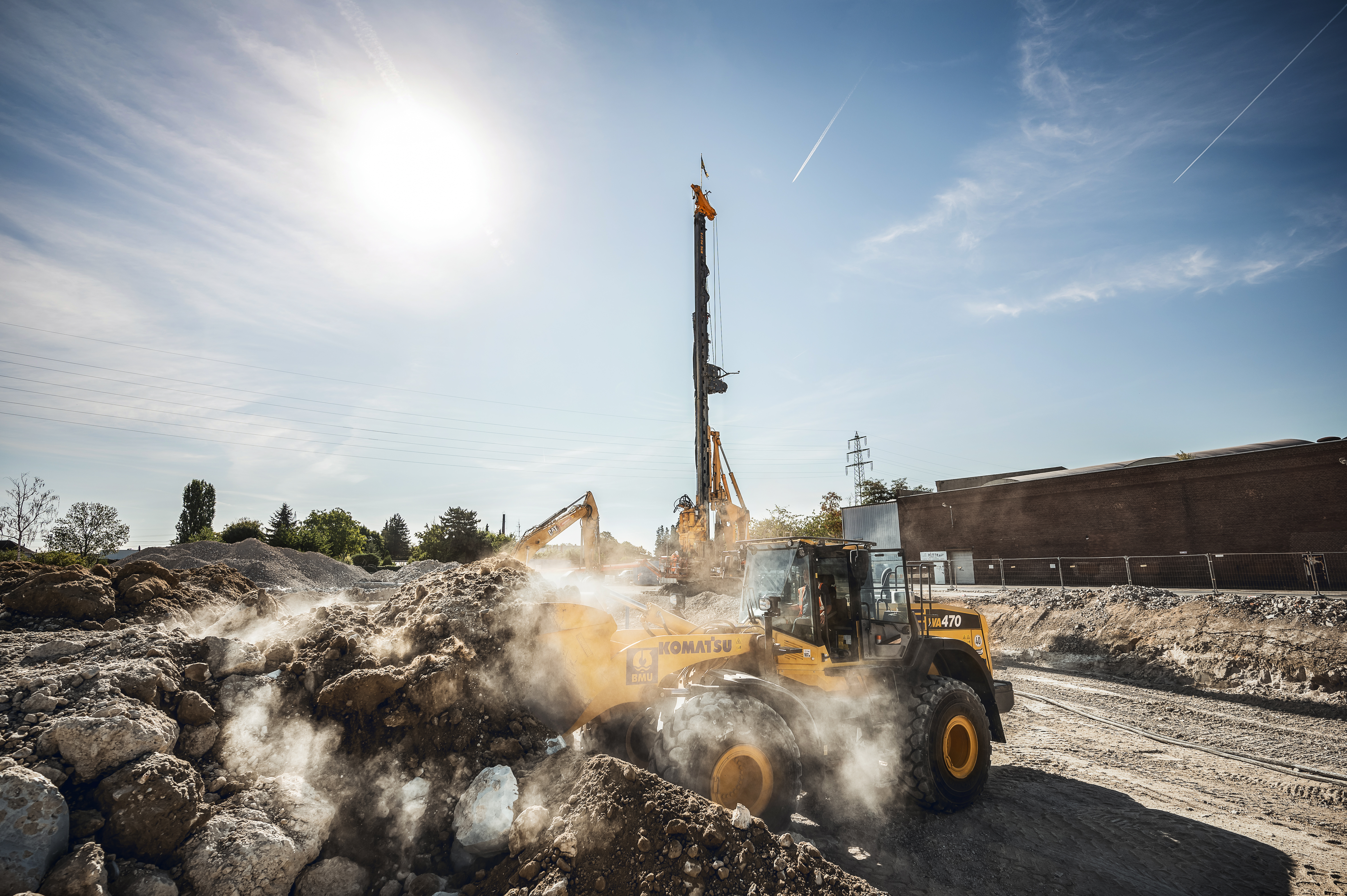

Would you like to report about us? Here you can find all press releases from us and about us at a glance. Browse through our press archive now.


Don’t miss out anymore: With our newsletter, you will learn more about people, the latest technologies and unforgettable projects.
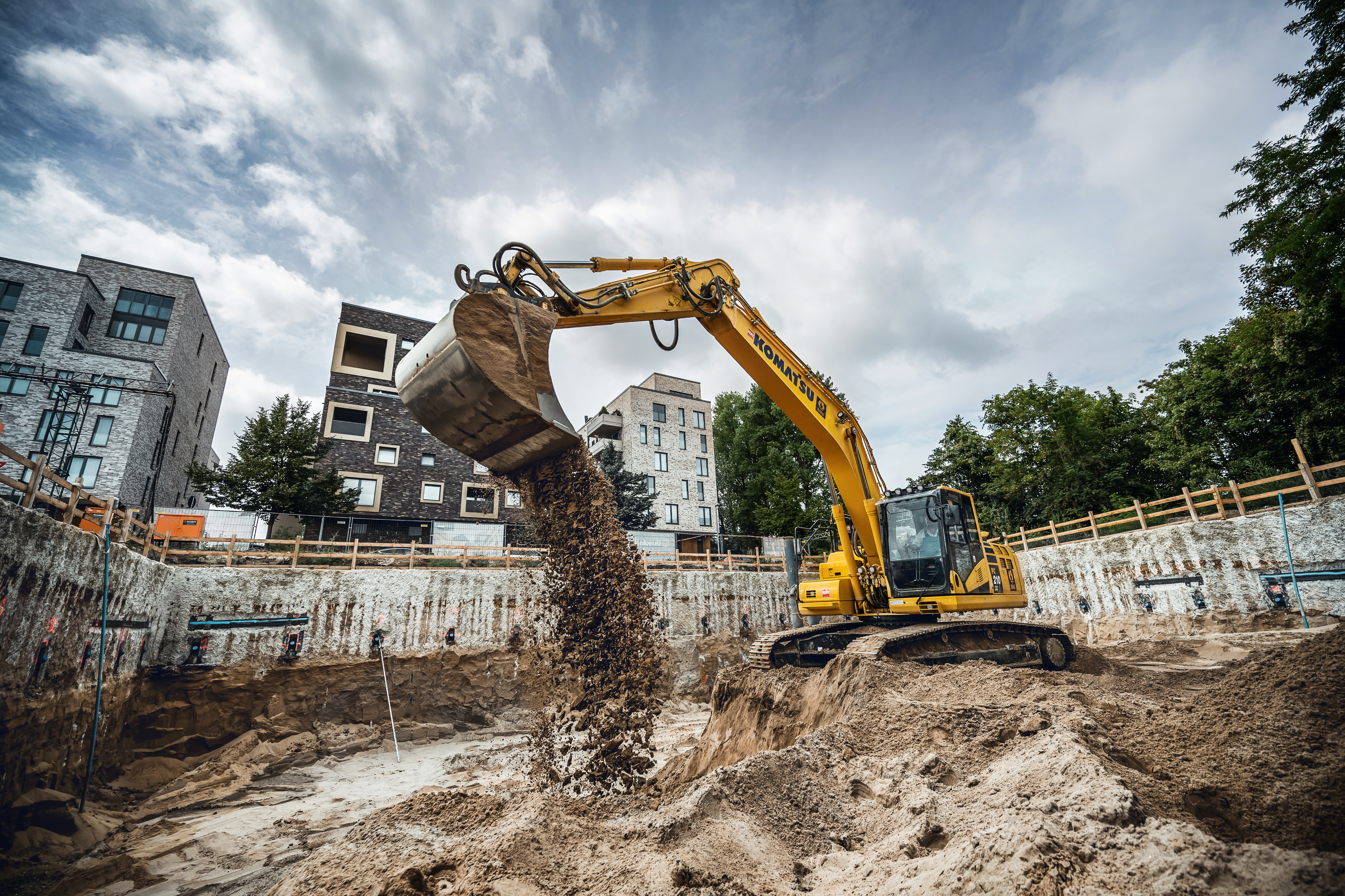

From excavation to disposal all the way to backfilling: We are your partner for turnkey excavation pits. We always keep an eye on the bigger picture. Find out more.